


Dutch Energy Storage Shift: The Netherlands’ Battery Boom
 May 05,2026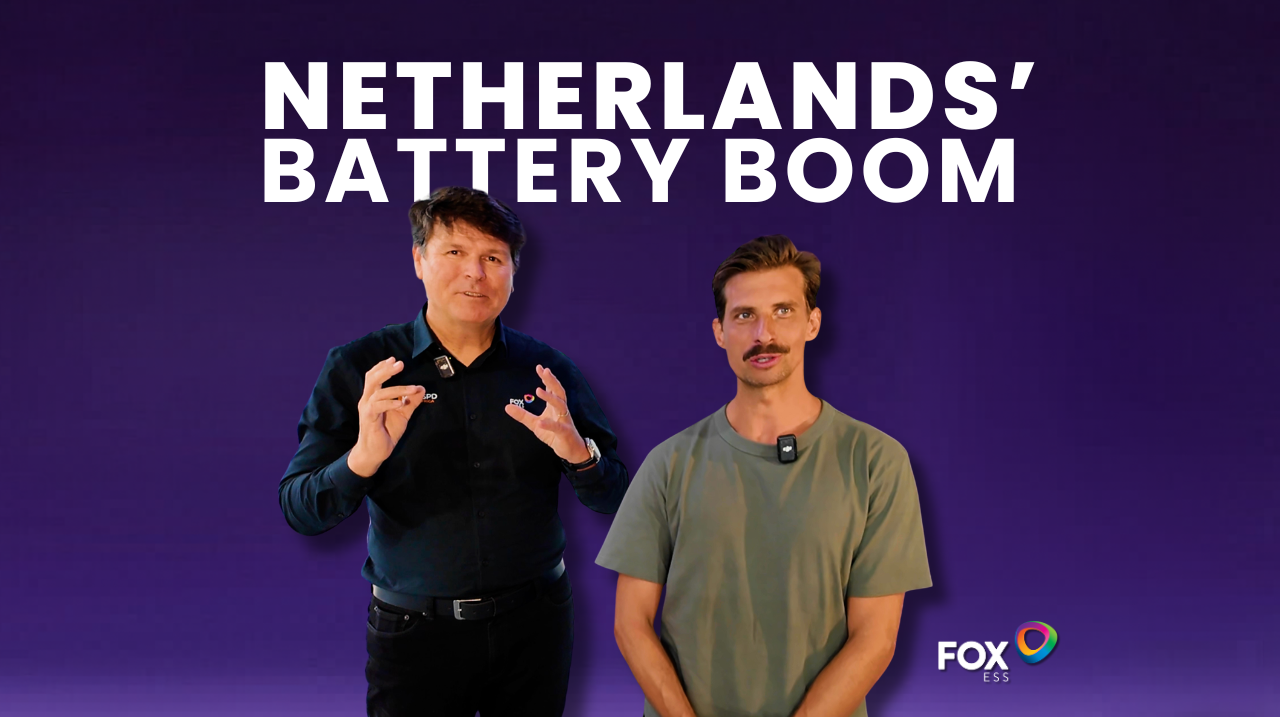
The energy market in the Netherlands is undergoing a massive energy storage shift. Mark Becker, Founder of MSPD Africa and dedicated partner of Fox ESS in South Africa, recently met with Simon Cals, Country Manager for Fox ESS in the Benelux region, to discuss how this transition mirrors global trends in the solar and battery sectors. Currently, the region is “gearing back up” after a challenging period of decline. While the market faced a 70% drop in business during 2022 and 2023, new drivers are now sparking a surge in demand for storage.
The End of Net Metering
For years, a net metering system drove residential solar adoption in the Netherlands. This system compensated users for feeding excess energy back into the grid. However, this incentive will end on January 1st, 2027. Consequently, homeowners will receive no financial return for unconsumed energy. This change creates a powerful incentive for a Dutch energy storage shift toward residential batteries.
Overcoming Grid Congestion
Meanwhile, the commercial sector faces an even more urgent challenge: severe grid congestion. As society electrifies, the existing Dutch grid lacks the capacity to handle increased flow. Because of this, new factories must often wait multiple years for a connection. Battery storage has emerged as the primary solution to bypass these limitations. These systems provide the “brute power” needed for industrial growth.
Global Synergies and Market Leadership
Interestingly, the Netherlands is experiencing challenges very similar to those in South Africa. While power outages drove South Africa’s shift, both regions dealt with market volatility and “cowboy” installers.
Amidst this recovery, Fox ESS has solidified its position as a dominant force. Although founded only in 2019, the company is now the top provider of residential battery storage in Europe. Furthermore, Fox ESS holds a 20% market share in South Africa. The company’s ability to react quickly to market needs is fueling a more resilient energy future.

 Jul 14, 2026


